fÁTTALIKU CI GORÉE: PRAYER, MEMORY, AND RECONNECTION FOR THE BLACK MUSLIM ATLANTIC
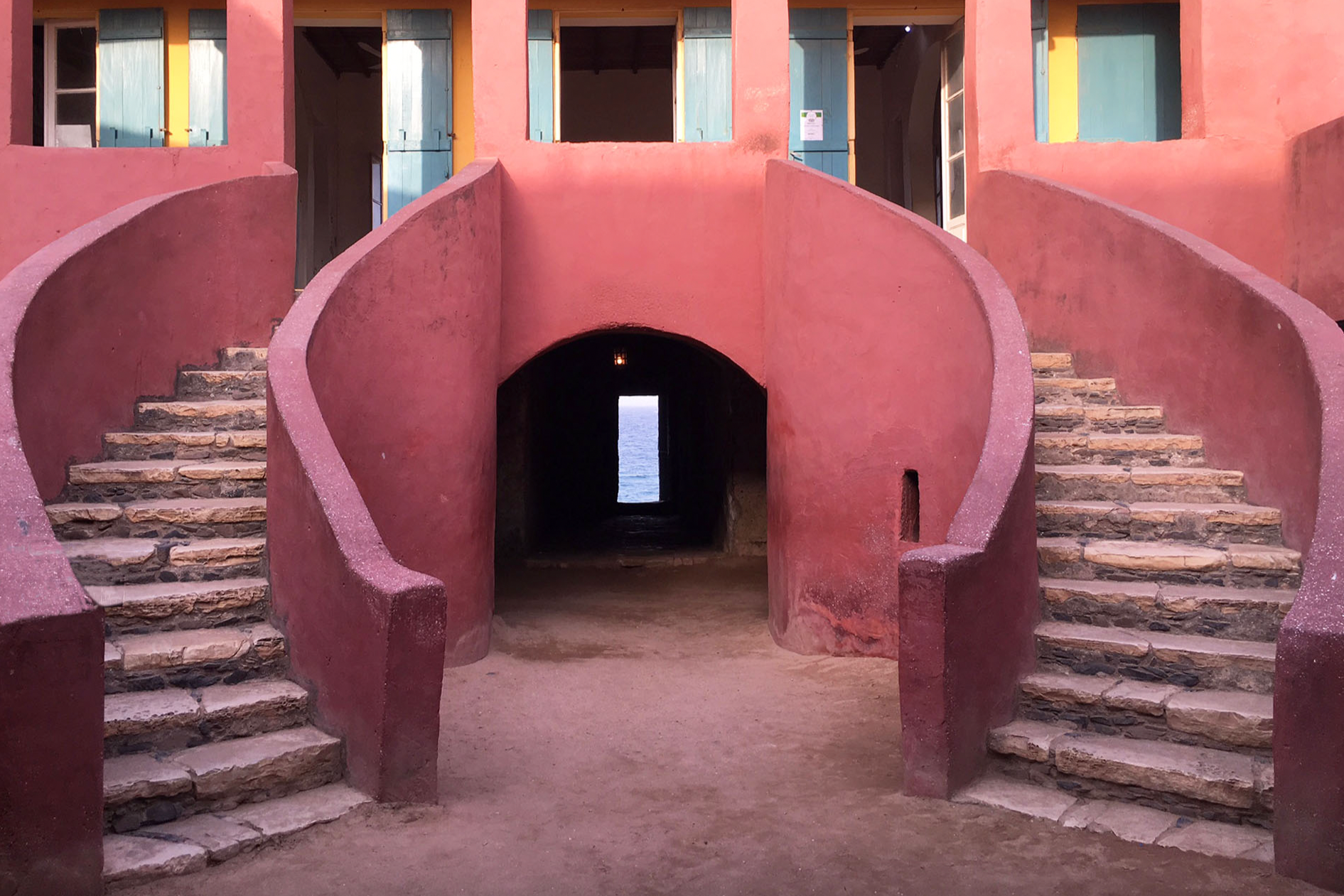
An Invitation to Invest in Living Memory
Fattaliku is part of an ongoing artistic and cultural exchange between Buffalo and Senegal, rooted in remembrance, ancestral connection, and the possibilities of creative collaboration across the Black Atlantic.
In December 2026, I am preparing to travel to Senegal to develop and present a body of curatorial and artistic work in connection with the Black Muslim Psychology Conference (BMPC), whose 2026 theme is Rasikh: What We Carry Forward.
At the heart of this work is a gathering on Gorée Island: a space for prayer, remembrance, music, movement, and reconnection across generations and geographies. Through a requiem, I am exploring how artistic practice can create room for grief, gratitude, faith, and the stories we carry forward.
This work extends beyond a single gathering. It is an opportunity to deepen relationships between African American and West African artists, cultural workers, scholars, and communities, while documenting the exchange as part of a living archive.
I am currently raising funds to support my curatorial work, artistic contribution, travel, and the development of this exchange.
Your support helps make this work possible.
The Offering
Fáttaliku, Wolof for remembrance…
Is an offering rooted in the understanding that remembrance is an act of love, a spiritual practice, and a way of honoring what we carry across generations.
On Gorée Island in Senegal, a place marked by the history of the transatlantic slave trade, we gather mid-December 2026 to make room for prayer, song, movement, grief, gratitude, and reconnection. Through music, spoken word, and embodied expression, this ceremony creates space to honor the lives, faith, and enduring presence of our African ancestors and the Black Muslim Atlantic.
Why Gorée?
There are places in the world that hold more than their history. Gorée Island is one of them.
Off the coast of Dakar, facing the Atlantic, Gorée stands within the history of the forced removal of African people from their homelands. The Door of No Return has come to represent the passage through which countless lives were separated from family, language, land, faith, and everything they knew as home. But those who were taken were never simply the sum of what was done to them. They were mothers and fathers, scholars, children, healers, farmers, artists, Muslims, Christians, and people whose lives held entire worlds.
I think about Omar Ibn Said, a Muslim scholar from Futa Toro, Senegal, who was captured in 1807 and enslaved in the United States. We do not know that he passed through Gorée, but his life gives us a profound connection between the histories of West Africa and the African American experience. He carried his muslim faith, his scholarly knowledge of the Qur'an, and his language across the Atlantic. Even in enslavement, he found ways to leave a record of himself. His story asks us to remember not only the circumstances of his capture, but the fullness of the life he lived before and beyond it.
In the words of BMPC’s Visionary and Founder, Dr. Kameelah Oseguera:
“Fàttaliku ci Goree is therefore not entertainment appended to the conference. It is one of BMPC2026’s central healing practices: a carefully held artistic and spiritual gathering through which participants may remember without spectacle, mourn without being confined to grief, and affirm the faith, creativity, continuity, and life that endured across the Black Atlantic.
The intention is to create an offering worthy of Goreé—its histories, its people, its sacred weight, and its enduring place within Black diasporic memory. Through Fàttaliku, BMPC2026 will move from historical witnessing toward prayer, relationship, and a shared responsibility to carry memory forward.”
The Creative Experience
In the beginning, there was sound. It is written that God spoke creation into existence. When our enslaved ancestors had nothing, they made a sound. And so, we begin the ceremony of Remembrance with the spoken word and commence with the call to prayer. The Fáttaliku will sonically fill Gorée with vocal sounds of praise, thanksgiving, and remembrance while dancers help us to release with choreographed movement to the rhythms of the géwal (griot, storyteller via the african drum). Honored to lift this offering alongside Buffalo-based Artists.
This offering will be documented with care and excellence via photography, film, and recorded material that will extend the life of the offering.
The Invitation: BMPC 2026
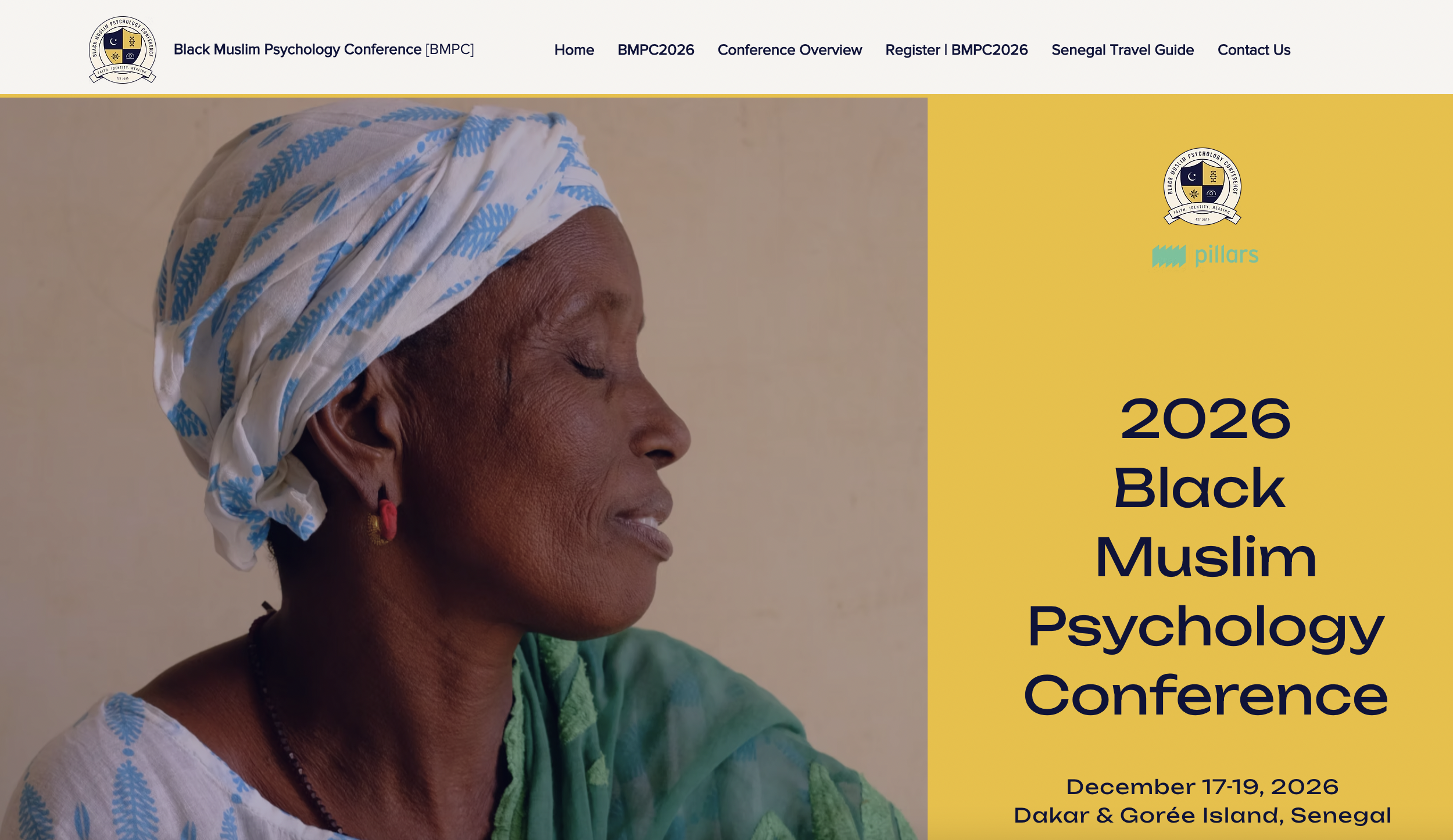
An historic Black Muslim Atlantic gathering. For the first time, the Black Muslim Psychology Conference (BMPC) will gather outside the United States, bringing participants into a transatlantic space rooted in memory, healing, faith, scholarship, dialogue, and collective responsibility. This year’s theme, Rasikh, speaks to what is deeply rooted, firmly grounded, and carried forward with clarity, purpose, and care. The program will explore Black Muslim wellness, family and community healing, leadership, Black Atlantic connection, art and storytelling, youth and future-building, and the ongoing work of reclaiming narrative, knowledge, and care.
Learn more about the Black Muslim Psychology Conference (BMPC) 2026 HERE
The Artists and Collaborators
ROBIN “Rama Touleye” HIBBERT, NY Master Choreographer | Dancer | Educator | Keeper of African Dance Traditions
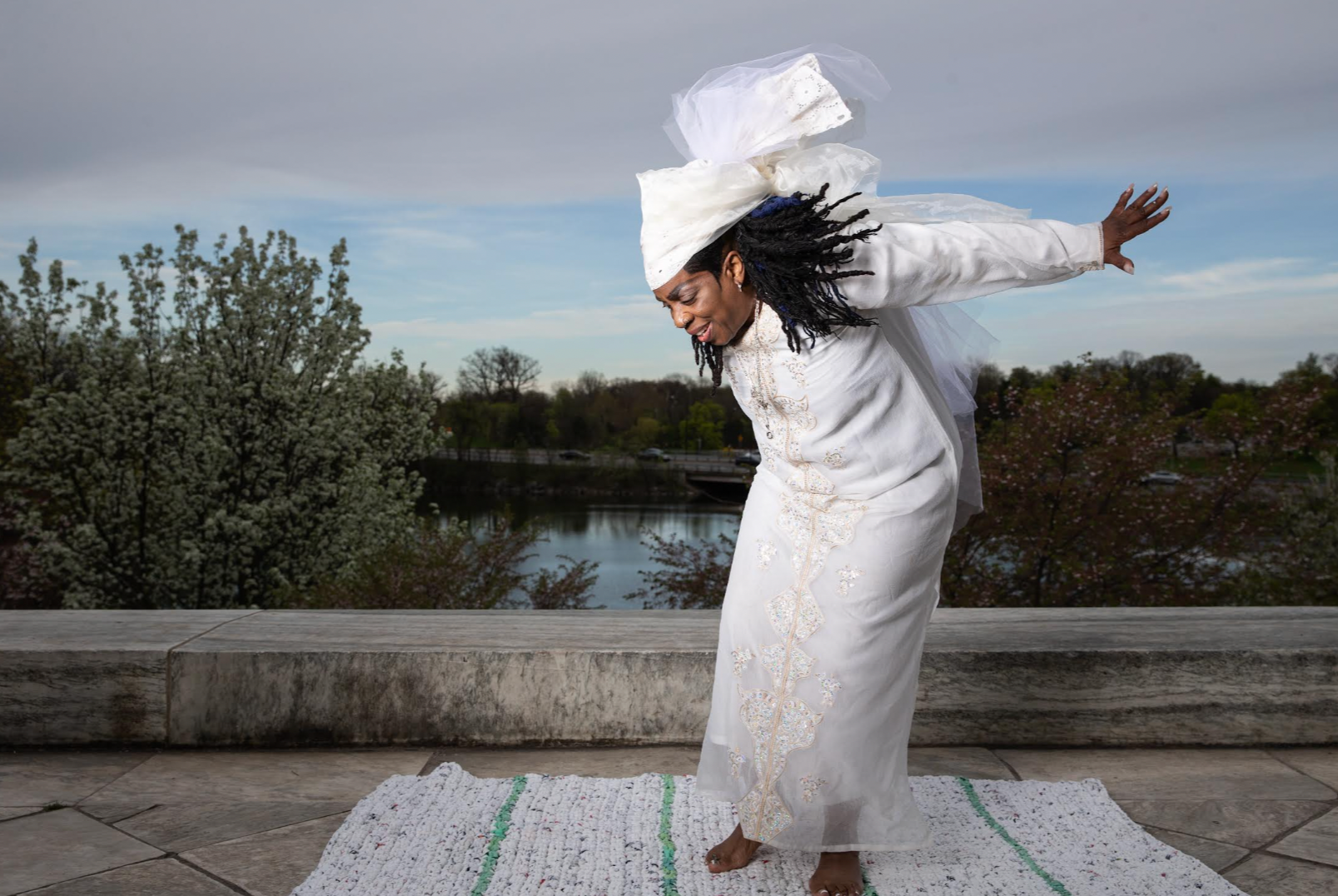
Born and raised in Brooklyn, New York, Robin “Rama Touleye” is a dancer, choreographer, educator, and devoted keeper of African cultural traditions. With a dance practice spanning more than five decades, she is classically trained in ballet, modern, jazz, and tap, with extensive study and performance experience in traditional West African and Afro-diasporic dance.
A graduate of the University at Buffalo, where she pursued a special major in dance, Robin has studied with legendary artists including Katherine Dunham and Pearl Primus, served as a teaching assistant to Dr. Primus, and toured and performed with master drummers and dance companies from across West Africa. Her international performance career has taken her to stages throughout the Americas, Europe, and the Caribbean, including the rare opportunity to perform alongside Nina Simone.
Through teaching, choreography, and cultural preservation, Robin carries forward the knowledge, discipline, and spiritual dimensions of African dance. Her work connects movement to history, rhythm to lived experience, and traditional forms to contemporary expression.
The Living Archive
Fáttaliku extends beyond the gathering on Gorée Island. What takes place there, and what emerges through the creative process, will become part of a living archive of remembrance, artistic exchange, and cultural memory.
At the heart of this work is a longer story: the relationship between Buffalo, New York, and Senegal, shaped by generations of artistic study, cultural exchange, teaching, and collaboration. One important beginning in this story is Mama Gey, who, following her 1967 experience in Senegal, is credited with introducing the djembe drum to Buffalo. As the late Emile Latimer recalled, her journey helped establish a relationship with West African music and traditions that would continue to shape the city's cultural landscape.
I intend to tell more of this story through an exhibition, tracing the artists, musicians, teachers, and cultural workers whose lives and creative practices have connected Buffalo and Senegal. It is a history worth documenting, not only for what has been shared, but for what has been carried forward through these relationships.
Through photography, film, recorded sound, original compositions, movement, artwork, and written reflections, Fáttaliku will contribute another chapter to this ongoing record. The archive will hold the stories of those who gathered, the exchanges that took place, and the artistic work that continues to emerge between our communities.
This is not simply documentation of an event. It is a record of relationship, of people learning from one another, creating together, and sustaining connections across generations and across the Atlantic.
What we carry forward is also a part of what we remember.
Support The Work
Fáttaliku is part of an ongoing practice of creating spaces for remembrance, honoring the ancestors, and making room for healing across generations and communities.
Your support helps sustain the artists, preserve the documentation, and extend the life of this work beyond Gorée Island. Help carry the work forward.